Power Drills vs Rotary Hammers: What to Use & When

Drilling into timber, steel, brick, or reinforced concrete requires different mechanisms and bits. This guide explains how standard power drills, hammer drills, and SDS rotary hammers differ; how to pick by material and hole size; and which accessories extend performance — without DIY how-to steps.
1) Core differences (mechanism & use-cases)
| Tool | Mechanism | Best for | Pros | Limitations |
|---|---|---|---|---|
| Power Drill | Rotary only | Wood, metal, plastics; screwdriving | Versatile, precise, compact | Slow in masonry; relies on pressure |
| Hammer Drill | Rotary + cam percussion | Light masonry (brick/render) | Affordable, familiar form factor | Vibration, heats up on larger holes |
| Rotary Hammer (SDS) | Pneumatic hammering | Concrete, stone, rebar zones | Fast drilling with low user effort | Heavier, pricier, SDS bits required |
If you frequently meet concrete or need larger anchor holes, an SDS rotary hammer is more efficient and less fatiguing. For mixed home tasks in wood/metal with occasional small brick holes, a hammer drill covers more ground.
2) Pick by material & hole size
| Material | Hole Ø (approx.) | Recommended tool | Notes |
|---|---|---|---|
| Softwood / Hardwood | 1–35 mm | Power drill | Match RPM to bit type; back out to clear chips |
| Steel / Aluminium | 1–13 mm (HSS); larger with step/annular | Power drill | Lubricate, lower RPM for larger diameters |
| Brick / Block | ≤10–12 mm | Hammer drill | Carbide masonry bits; short bursts to cool |
| Brick / Block | ≥12 mm | SDS rotary hammer | Faster, rounder holes; less user pressure |
| Concrete (unreinforced) | 6–20 mm | SDS+ rotary hammer | Optimised flutes evacuate dust |
| Reinforced concrete | 10–28+ mm | SDS+ / SDS-Max | Expect rebar hits — use rebar-rated bits |
3) Chucks, shanks & bit systems
- Standard drill: keyless 13 mm chuck; accepts cylindrical hex/round shanks.
- SDS+: 10 mm shank with slots; rapid bit changes; typical for 6–28 mm holes.
- SDS-Max: larger shank for heavy-duty concrete and chiselling.
Don’t mix systems: SDS bits need SDS chucks (or an adapter). Adapters add length and can introduce runout — fine for light duties, not ideal for precision anchors.
4) Bits & drilling strategy
- Wood: brad-point for clean entry, auger for deep holes, spade for fast roughing; clear chips to avoid burn marks.
- Metal: HSS cobalt; pilot first, then step up; cutting oil reduces heat and extends life.
- Masonry: carbide-tipped; let percussion do the work — don’t lean heavily on the tool.
In concrete, periodic “pecking” helps evacuate dust; in wood, use a sacrificial backer to prevent tear-out; in thin sheet metal, step bits prevent grabbing.
5) Power, torque & clutch
- Voltage platforms: 12V for compact tasks; 18V is the sweet spot; 36V for high-demand drilling and hole saws.
- Gearing: low gear for torque (large bits, screws); high gear for small bits in wood/metal.
- Clutch: protects fasteners and your wrist; set it to the screw length and material.
6) Anchors & fasteners overview
| Anchor | Use | Drill type | Tip |
|---|---|---|---|
| Plastic plug | Light loads in brick/block | Hammer drill | Match bit Ø to plug; clean dust from hole |
| Sleeve / wedge | Medium–heavy loads | SDS rotary hammer | Precise depth; avoid oversizing |
| Chemical anchor | Vibration-sensitive loads | SDS rotary hammer | Blow/brush/blow clean; observe cure time |
7) Safety & ergonomics
- Use side handles and stance control with large bits; anti-kickback clutches are worth it.
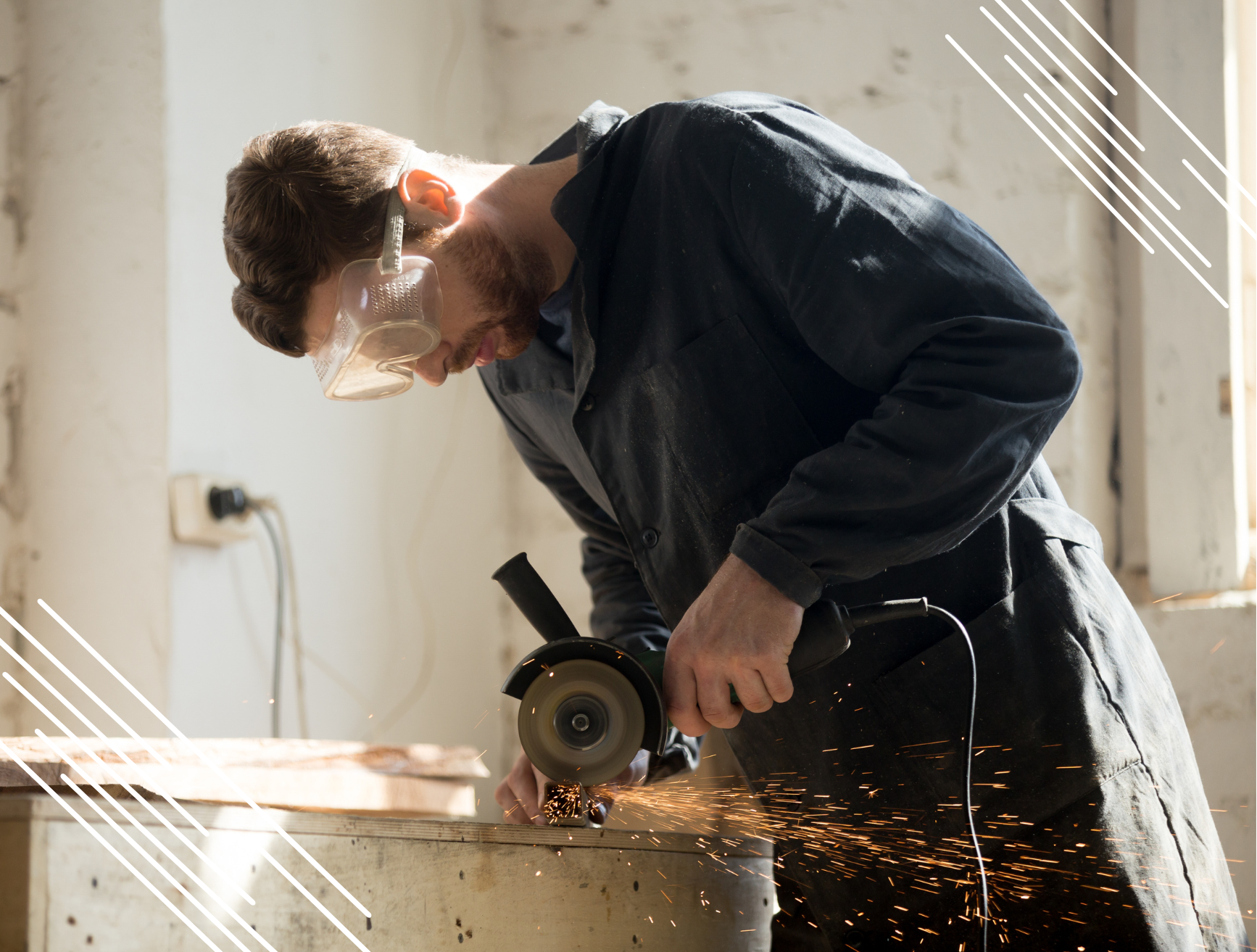
- Eye/ear protection; dust extraction on concrete extends bit life and visibility.
- Locate services: avoid hidden wiring/pipes; use detectors when unsure.
8) Troubleshooting
- Bit glazing / smoke: too much RPM, no lubricant (metal) or dull bit — slow down or replace.
- Wandering start: center-punch metal; use brad-point on wood; pilot holes help on hard materials.
- Chipped brick edges: back off percussion near exits; support the far side if possible.
9) When to choose each tool
- Mostly wood/metal + occasional brick up to 10–12 mm: hammer drill.
- Regular concrete anchors or holes ≥12 mm: SDS+ rotary hammer.
- Large structural penetrations, chiselling, channeling: SDS-Max rotary hammer.

Add comment