Lawn Mowers: Battery vs Petrol vs Corded — What Fits Your Garden

A mower should match your lawn size, terrain, and schedule — not the other way around. This guide compares battery, petrol, and corded mowers; clarifies deck width, drive, and grass handling; and explains seasonal cut heights, storage, and safety — without DIY maintenance steps.
Reading time: ~6–7 min
Category: Lawn Mowers
Updated: Oct 2025
1) Quick comparison
| Type | Best for | Pros | Watch-outs |
|---|---|---|---|
| Battery | Small–medium lawns | Low noise, no cords, low upkeep | Runtime limits; pack management |
| Petrol | Medium–large lawns, rough ground | High power, long continuous sessions | Noise, emissions, servicing |
| Corded | Small lawns near outlets | Lightweight, continuous power | Cable management; range limits |
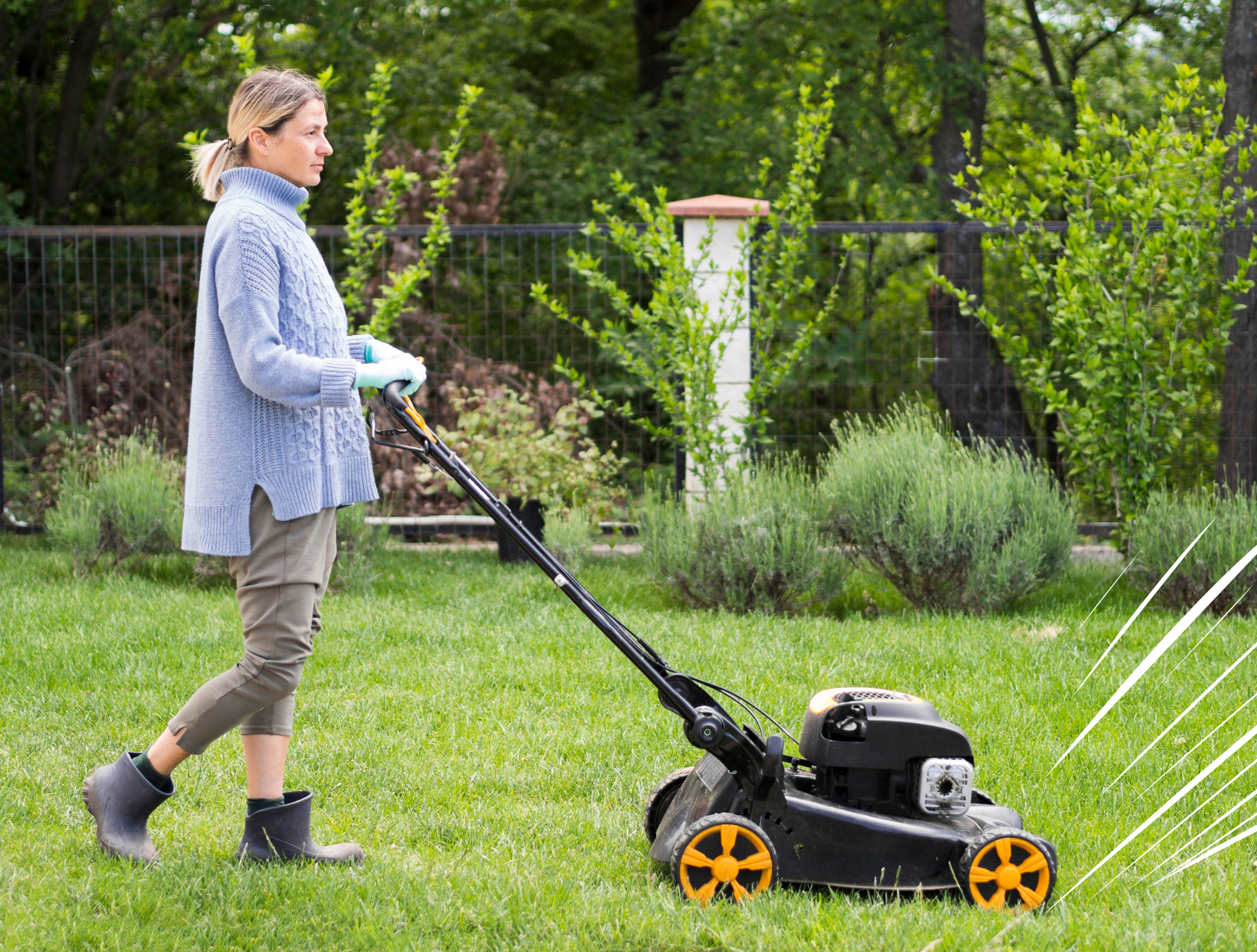
If you mow weekly and value quiet operation, battery platforms shine. For large, sloped, or uneven plots, self-propelled petrol units still dominate. Corded makes sense where outlet access is easy and storage space is tight.
2) Deck width & lawn size
- Small lawns: 32–38 cm deck for tight paths and easy storage.
- Medium lawns: 40–46 cm deck balances speed and manoeuvrability.
- Large lawns: 48 cm+ deck reduces passes and time.
Tip: Wider isn’t always faster. Obstacles (beds, trees) often make a 40–42 cm deck quicker overall.
3) Drive, wheels & terrain
- Push: light, precise near borders; best on flat, small lawns.
- Self-propelled: eases fatigue on slopes and long runs; variable speed is gold.
- Wheels: large rear wheels track straighter on bumps; check bearing quality.
- Rear roller: creates stripes and stabilises along edges.
4) Grass handling: bag, mulch, or side discharge?
- Bagging: the tidiest look; useful during spring flush or after holidays.
- Mulching: returns nutrients; best with dry grass and regular schedule.
- Side discharge: rough or long grass; fewer clogs but more cleanup later.
5) Battery platforms & runtime
- Stay within one 18V/36V ecosystem to share packs with leaf blowers, drills, saws.
- Two batteries “leapfrog” for continuous mowing — one runs, one charges.
- Brushless motors deliver better torque and efficiency, extending runtime.
6) Seasonal cut heights (guideline)
| Season | Height | Why it helps |
|---|---|---|
| Spring | Medium | Encourages lateral spread without stressing roots |
| Summer | Higher | Shades soil, retains moisture, reduces scorch |
| Autumn | Step down gradually | Preps for winter; avoid scalping before frost |
7) Storage & winterising
- Clean deck after each cut; dried clumps disrupt airflow and mulching.
- Battery: store ~40–60% charge; avoid freezing temps.
- Petrol: run carb dry or use stabiliser; check oil and air filter before storage.
- Fold handles to save space; avoid stacking heavy items on the deck.
8) Safety snapshot
- Clear stones, toys, and twigs first; debris becomes projectiles.
- Never lift or tilt a running mower; blades coast even after shut-off.
- Wear sturdy shoes; avoid loose clothing near the drive belt.
9) Troubleshooting quality of cut
- Uneven cut / scalping: raise height; sharpen blade; slow down over bumps.
- Clumping: wet grass or dull blade; switch to bagging until dry.
- Stripes not visible: add rear roller or mow in alternating directions.
10) Quick scenarios
- Townhouse patch, weekend mowing: compact battery mower + mulching plug.
- Large lawn with slope: self-propelled petrol, 48 cm+ deck, bag in spring.
- Holiday growth recovery: two passes: high then normal height; bag first pass.

Add comment